
Home insulation services are one of the smartest investments homeowners can make for comfort, energy savings, and long term property value. Whether you are dealing with high utility bills, uneven indoor temperatures, or an older property that lacks proper insulation, understanding the true cost of insulation services can help you make a better decision. From attic insulation to wall upgrades and even insulation considerations for flat roof materials, every part of your home plays a role in energy efficiency.
If you are planning to improve your home’s comfort and lower monthly energy costs, this guide explains everything you need to know about insulation pricing, installation factors, material options, and how professional companies like Miss Her Insulation can help you choose the best solution for your property.
What Are Home Insulation Services?
Home insulation services involve installing protective materials inside walls, attics, crawl spaces, ceilings, and floors to reduce heat transfer. Proper insulation helps keep homes warmer during winter and cooler during summer, making your HVAC system work more efficiently.
Professional insulation contractors assess the condition of your home and recommend the best insulation type based on your climate, budget, and energy goals. Many homeowners also upgrade insulation while replacing roofing systems or evaluating flat roof materials to improve overall energy performance.
Common insulation services include:
| Insulation Service | Average Cost Range | Best For |
|---|---|---|
| Attic Insulation | $1,500 to $4,500 | Reducing heat loss |
| Spray Foam Insulation | $2,000 to $8,000 | Maximum energy efficiency |
| Wall Insulation | $1,000 to $6,000 | Older homes |
| Crawl Space Insulation | $1,500 to $5,000 | Moisture control |
| Basement Insulation | $1,400 to $7,000 | Temperature regulation |
| Blown In Insulation | $1,000 to $3,500 | Quick insulation upgrades |
Average Cost of Home Insulation Services
The average cost of home insulation services in the United States ranges between $1,500 and $7,500 depending on the size of the property, insulation type, labor costs, and installation complexity.
Smaller projects like attic insulation may cost less, while whole house spray foam insulation projects can be more expensive due to material and labor requirements.
Several factors affect insulation pricing, including:
Home Size
Larger homes require more insulation material and labor hours. A small single story home costs significantly less to insulate than a large multi level property.
Type of Insulation Material
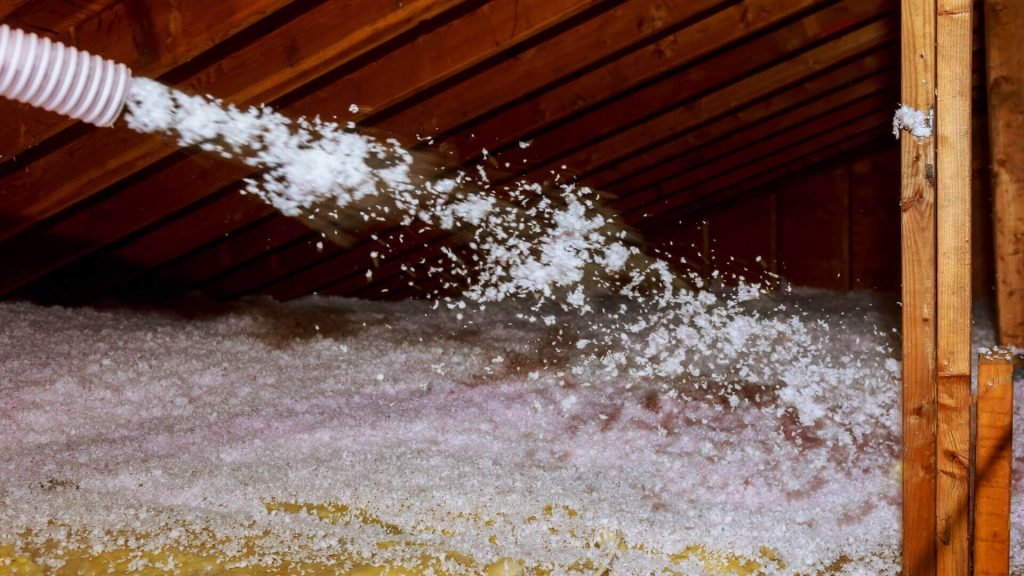
Different materials have different price points. Fiberglass insulation is usually more affordable, while spray foam insulation costs more because of its superior sealing ability.
Labor Costs
Professional installation ensures proper coverage and long term performance. Labor costs vary depending on your location and the complexity of the project.
Existing Insulation Removal
If old or damaged insulation must be removed before installing new material, additional cleanup and disposal fees may apply.
Roof and Structural Design
Homes with complex attic layouts or specialized flat roof materials may require customized home insulation solutions that increase installation costs.
Most Popular Insulation Materials and Their Costs
Choosing the right insulation material is important for balancing performance and budget. Each material offers unique advantages depending on your home’s needs.
Fiberglass Insulation
Fiberglass insulation remains one of the most common and budget friendly options for residential properties. It is available in batts or blown in form and works well in attics and walls.
Average cost ranges from $0.50 to $1.50 per square foot.
Spray Foam Insulation
Spray foam insulation creates an airtight seal that improves energy efficiency and moisture resistance. It is ideal for hard to reach spaces and modern homes focused on energy savings.
Average cost ranges from $1.50 to $5 per square foot.
Cellulose Insulation
Cellulose insulation is made from recycled materials and is considered an eco friendly option. It is often used in attics and wall cavities.
Average cost ranges from $1 to $2 per square foot.
Rigid Foam Board Insulation
Rigid foam boards are commonly used for basements, exterior walls, and roofing systems involving flat roof materials because of their moisture resistance and high insulation value.
Average cost ranges from $1.50 to $4 per square foot.
Why Home Insulation Is Worth the Investment
Many homeowners hesitate because of upfront home installation costs, but insulation upgrades often pay for themselves through lower energy bills and improved comfort.
Benefits of professional home insulation services include:
Lower Monthly Utility Bills
Proper insulation reduces heat transfer, helping your heating and cooling system operate more efficiently.
Improved Indoor Comfort
Insulated homes maintain stable indoor temperatures throughout the year.
Better Noise Reduction
Wall and attic insulation help reduce outside noise and improve indoor privacy.
Higher Property Value
Energy efficient homes insulation are attractive to buyers and may increase resale value.
Reduced Moisture Problems
Quality insulation helps prevent condensation and mold growth, especially in roofing systems using advanced flat roof materials.
Signs Your Home Needs New Insulation
Many older homes have outdated or insufficient insulation. If you notice any of these issues, it may be time to contact insulation professionals.
High Energy Bills
A sudden increase in utility costs often indicates heat loss through poorly insulated walls or attics.
Uneven Room Temperatures
Rooms that feel too hot or too cold compared to the rest of the house may lack proper insulation coverage.
Drafts and Air Leaks
Cold drafts near windows, ceilings, or walls often signal insulation problems.
Ice Dams on Roofs
Poor attic insulation can cause roof snow to melt unevenly, leading to ice buildup and potential water damage.
Old Insulation Materials
Homes built decades ago may contain insulation that no longer meets modern energy standards.
How to Save Money on Insulation Services
There are several ways homeowners can reduce insulation installation costs without sacrificing quality.
Schedule an Energy Audit
An energy assessment identifies areas where insulation improvements will provide the greatest return.
Choose the Right Material
Not every project requires premium spray foam insulation. Fiberglass or cellulose may work well for your budget.
Insulate During Renovations
Combining insulation upgrades with roofing or remodeling projects involving flat roof materials can reduce labor expenses.
Look for Rebates and Tax Credits
Many local utility companies and government programs offer incentives for energy efficient home improvements.
Professional Installation vs DIY Insulation
While some homeowners attempt DIY insulation installation, professional services often provide better long term results.
Professionals understand proper ventilation, moisture barriers, air sealing techniques, and local building codes. Incorrect installation can reduce insulation performance and even create moisture issues.
Experienced contractors like Miss Her Insulation provide customized solutions based on your home’s structure, climate, and energy needs. Their team ensures proper installation that maximizes comfort and energy savings.
Why Choosing the Right Insulation Company Matters
Not all insulation contractors provide the same quality of service. Choosing an experienced and reputable company helps ensure long lasting results and better energy efficiency.
When comparing insulation companies, look for:
- Licensed and insured professionals
- Positive customer reviews
- Transparent pricing
- Energy efficient product options
- Experience with residential insulation and flat roof materials
- Free inspections and estimates
Miss Her Insulation offers professional home insulation services designed to improve comfort, reduce energy costs, and increase property value. Their experienced team helps homeowners choose the right insulation solution for every part of the home.
How Long Does Insulation Last?
Most insulation materials can last between 20 and 80 years depending on the product type, moisture exposure, and installation quality.
Spray foam insulation typically lasts longer than fiberglass because it resists moisture and air leaks more effectively. However, damaged or compressed insulation may need replacement sooner.
Regular inspections help homeowners identify problems before energy costs rise significantly.
Commercial Benefits of Energy Efficient Insulation
For homeowners planning to sell or rent their property, upgraded insulation can provide a strong selling point. Buyers increasingly look for energy efficient homes with lower operating costs.
Modern insulation systems paired with energy efficient roofing and quality flat roof materials create a more attractive and environmentally friendly property.
Investing in professional insulation services can improve your home’s marketability while delivering year round savings.
Get a Free Home Insulation Estimate Today
If your home feels uncomfortable, your utility bills continue rising, or your insulation is outdated, now is the perfect time to upgrade. Professional insulation services can make your home more comfortable, energy efficient, and valuable.
Miss Her Insulation provides reliable insulation solutions tailored to your home’s needs and budget. Whether you need attic insulation, spray foam installation, or insulation upgrades connected to flat roof materials, their team can help you achieve lasting energy savings.
Contact Miss Her Insulation today to schedule a free consultation and discover how affordable professional insulation services can be for your home.
Frequently Asked Questions
How much do home insulation services usually cost?
Most home insulation projects cost between $1,500 and $7,500 depending on insulation type, labor, and home size.
What is the cheapest insulation option for homes?
Fiberglass insulation is generally the most affordable and widely used option for residential properties.
Does insulation really reduce energy bills?
Yes, proper insulation helps reduce heat transfer, lowering heating and cooling costs throughout the year.
How long does spray foam insulation last?
Spray foam insulation can last more than 30 years when professionally installed and properly maintained.
Can insulation improve flat roofing performance?
Yes, combining quality insulation with durable flat roof materials improves energy efficiency, moisture protection, and indoor comfort.